
When Is the Best Time of Year to Remove a Tree?
For many routine tree removals, late fall through early spring is a practical time to schedule work in Boise and the Treasure Valley. Deciduous trees may have less foliage, making their structure easier to inspect. You may also be able to address the tree before spring growth or summer storms. Still, no single month is best for every property.

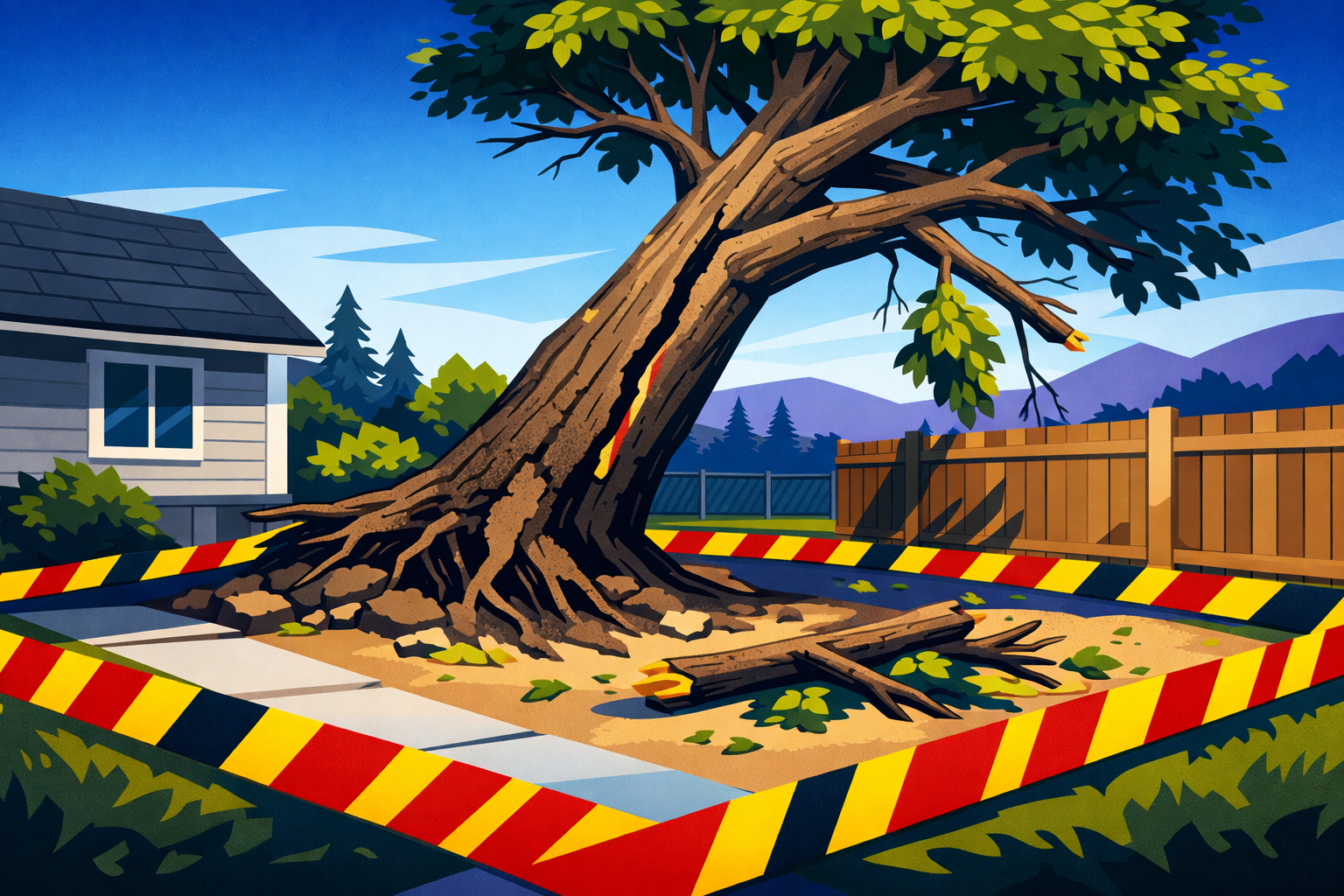
A dead, storm-damaged, leaning, or structurally weak tree should not remain in place while you wait for the preferred season. Tree condition, nearby structures, ground conditions, access, and weather matter more than the calendar. The safest approach is to have the tree assessed and schedule work during the earliest practical window.
How Season and Tree Condition Affect Timing
Choosing a removal date starts with the tree and the property, not simply the time of year. In Boise, Meridian, Nampa, and nearby Treasure Valley communities, a crew may need to plan around roofs, fences, driveways, utility lines, landscaping, equipment access, and weather. A seasonal window that works for one tree may not suit another.
Why late fall through early spring can be practical
After many deciduous trees lose their leaves, the branch structure may be easier to see during an assessment. Less foliage can also make the removal plan easier to evaluate. Cooler conditions may suit some routine projects when the ground is firm and the crew can safely access the tree.
Winter is not automatically the right choice. Frozen, muddy, snowy, or saturated ground can make equipment access more difficult and increase the chance of landscape damage. A narrow gate, steep slope, soft lawn, or tight backyard may matter more than the month.
When summer or fall removal makes sense
A tree does not become safe simply because it is outside the preferred seasonal window. Summer or fall removal may be appropriate when a tree threatens a structure, interferes with construction, has significant decay, or needs attention after storm damage. Safe weather and workable access still need to be confirmed.
Species-specific characteristics can also affect the recommendation. Foliage, decay, recent stress, and the tree’s condition may change how an arborist evaluates the work. Rather than relying on a universal date, ask for a recommendation based on the individual tree and its surroundings.
Why urgent trees should not wait
Major leaning, trunk cracks, hollow areas, damaged roots, hanging limbs, extensive dead wood, and fresh storm damage deserve prompt attention. Wind, snow, or changing weather can add stress to a weakened tree. Keep people away from the area, and do not climb or work beneath damaged branches while arranging an assessment.
Hazardous tree removal may be the appropriate next step when delaying could put people or property at greater risk. An evaluation may also show that pruning, monitoring, or tree health care is safer when the tree can remain in place.
A Practical Checklist for Scheduling Tree Removal
For a non-urgent tree, use this checklist to choose a workable removal window. Compare seasonal convenience with safety, access, and any requirements that apply to your property.
Start with a safety and site review
Look for recent movement, split branches, trunk damage, root disturbance, contact with a structure, and areas where people walk or park. Note gate width, slopes, soft ground, overhead obstructions, fences, gardens, buildings, and possible equipment locations. Ask how sections will be controlled and how the landscape will be protected.
For example, an open-yard tree may be easier to plan during late winter when its structure is visible. A similar tree over a garage may need earlier attention because the building increases the consequences of a failure and affects the removal method.
Confirm species, wildlife, and local requirements
Ask the arborist whether the tree’s species, foliage, decay, or seasonal condition affects the timing recommendation. Wildlife or nesting concerns may also matter, but no universal rule applies to every property.
Before scheduling, confirm whether a permit, utility clearance, wildlife restriction, or other site-specific requirement applies. Check with the relevant local authority and your arborist instead of making assumptions. These checks should not delay an assessment of a dead, storm-damaged, or dangerous tree.
Choose the safest workable removal method
An on-site assessment should address tree condition, size, access, nearby structures, weather exposure, removal method, debris handling, and the remaining stump. Crane-assisted removal or lift equipment may help on a difficult property, but the site must be evaluated first. Ask whether removal, pruning, monitoring, or treatment is recommended.
A large tree close to a home may need a different plan from one in an open field. The best season cannot be separated from the equipment, control methods, and access needed to complete the job safely.
Plan cleanup and the remaining stump
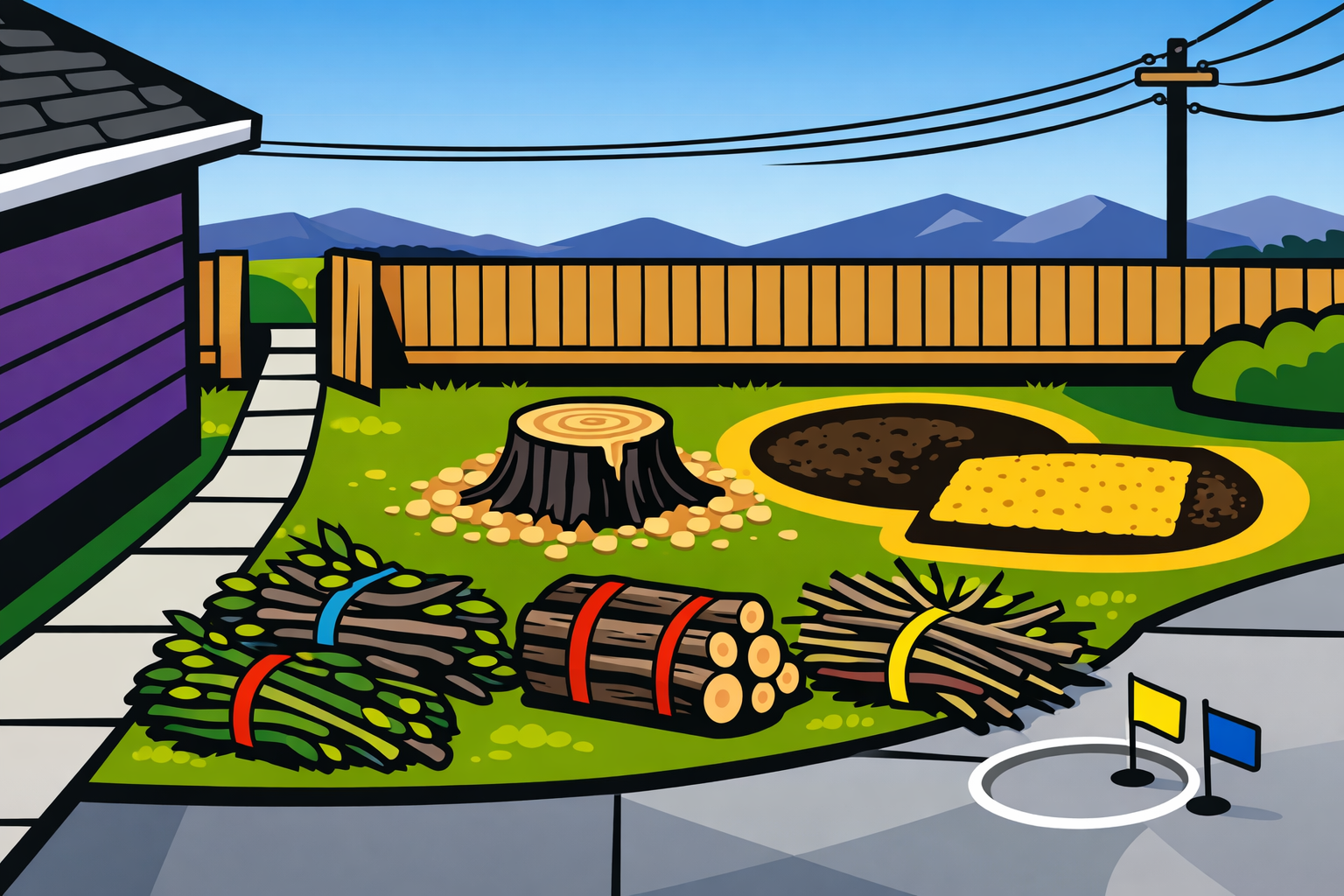
Before work begins, clarify whether branches and wood will be removed or left for your use, and whether stump grinding is included in the estimate. Access, terrain, utilities, and future planting plans can affect the work. Discuss utility locating before grinding and share any replanting plans with the crew.
For routine work, schedule when weather, ground conditions, and property access are workable. If the tree is hazardous, choose the earliest practical safe window instead of waiting for a preferred season. Tree removal services can help turn the assessment into a site-specific plan.
Tree Removal Timing FAQ
What is usually the best season for tree removal in Boise?
Late fall through early spring is often practical for routine removals because many deciduous trees have less foliage and their structure may be easier to inspect. Ground and weather conditions still need to be suitable.
Should I wait until winter to remove a dead tree?
No. Dead wood may become more brittle and can fail unexpectedly, especially near a home, driveway, or walkway. Arrange a prompt assessment and follow the recommendation for the safest practical timing.
Can a tree be removed during summer?
Yes. Summer removal may be appropriate when a tree is hazardous, interferes with a project, or needs prompt attention. Weather, access, tree condition, and nearby structures determine whether the work can proceed safely.
Does the tree species affect removal timing?
It can. Species-specific characteristics, foliage, decay, seasonal stress, wildlife or nesting concerns, and the site layout may affect the recommendation. An arborist should evaluate the individual tree rather than applying one calendar date to every species.
Do I need to check for permits or wildlife restrictions?
You may need to confirm site-specific requirements before scheduling. Ask the relevant local authority and your arborist about permits, utility clearances, wildlife restrictions, or other applicable conditions. Do not assume requirements are the same for every property.